When crime in America took a precipitous decline after the 1970s, many theories arose as to why. Economic conditions surely played a part, as did improvements in law enforcement.
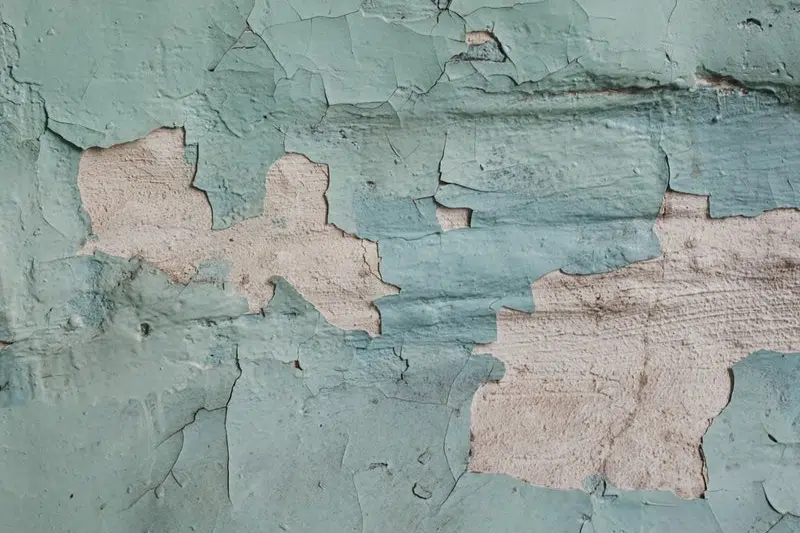
Image Source: pexels.com
One particularly captivating but controversial idea is the “lead-crime hypothesis.” This is the idea that the federal government’s interdiction on lead in gasoline, paint, and pipes led to fewer instances of it being developed, laying the foundation for maladaptive behaviors.
Whether this is true is up for debate. What’s not up for debate is that lead paint in homes, apartment buildings, and commercial structures, must go. The paint in those buildings is a relic of a time when people simply didn’t know better. It can get removed by safely covering it or by remediating the structure altogether. How can you tell if there’s lead paint in your building? Some safe ways can tell how to proceed.
Look Out for “Alligatoring”
“Alligatoring” is a sure sign of aging lead paint. You can identify it without testing supplies. Lead was originally added to paint to protect it against the elements. Regrettably, it did do so quite effectively. This fortification manifests itself in the way that the paint dries and flakes.
When lead paint finally shows its age, it fractures in such a way as to resemble the scales of an alligator. This process is called “alligatoring,” and just like its namesake amphibian, it’s dangerous. If you see alligatoring paint, start exploring remediation options.
Test It Yourself: Think Pink
In the absence of obvious signs, ascertaining the presence of surface-level lead paint is still easy to do. Look for a lead paint test from your local hardware store. By applying the testing device to the surface in question, a chemical reaction with the lead present in the paint will cause a pink coloration to appear where you applied the device.
Once you see that pink, you know you have lead to remove from your building. The far-reaching and permanent neurological effects of lead poisoning make this step imperative.
Scanning for Lead When Necessary
How can you tell if there’s lead paint in your building beneath fresh paint? While painters can usually trap the lead, there’s no guarantee they can. If your building dates back before the 1978 ban on lead paint, there’s a chance you have some lead paint. If you have reason to suspect its presence, specialists can X-ray the building to make certain it’s there.
As you know from the apron you wore during your own X-rays, this radiation cannot penetrate lead, making it easy for lead abatement pros to spot it deep within paint. While finding lead paint can be disappointing or alarming, be glad you found it when you did—the alternatives are far more deleterious.



Leave a Reply